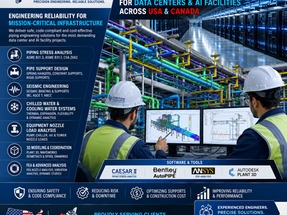
Industrial plants operate with piping systems that experience constant pressure, changing temperatures, equipment movement, and environmental forces. A seismic piping stress company focuses on analyzing these systems to ensure they perform safely under normal operations as well as during unexpected seismic events. This specialized engineering approach helps industries avoid failures that could interrupt production or create safety concerns.
Unlike engineering firms that mainly work on residential or commercial buildings, industrial engineering consultants concentrate on facilities such as refineries, manufacturing plants, power stations, mining operations, and processing facilities. Their work is centered on technical precision, operational reliability, and compliance with engineering regulations that govern heavy industrial projects.
Mechanical Engineering Built for Complex Industries
Every industrial facility contains interconnected systems that must function together without creating excessive stress on equipment or supporting structures. Mechanical engineering professionals carefully evaluate piping layouts, equipment connections, thermal expansion, and operating conditions before recommending practical design improvements.
The engineering process includes advanced calculations and simulation methods that identify potential weaknesses before construction or plant modifications begin. This proactive approach helps businesses reduce maintenance costs while improving operational efficiency throughout the entire service life of their facilities.
Structural Engineering That Supports Industrial Safety
Strong structural design plays an essential role in maintaining the integrity of industrial piping systems. Pipe supports, steel structures, foundations, and equipment platforms must safely withstand operational loads while accommodating movement caused by temperature changes and seismic activity.
Engineering consultants analyze how structural components interact with mechanical systems to prevent excessive stress or unexpected failures. Coordinated structural and mechanical engineering allows facilities to operate more reliably while reducing the risk of costly shutdowns and emergency repairs.
Meeting Engineering Codes Across North America
Industrial engineering projects are expected to satisfy strict engineering codes established throughout Canada and the United States. These regulations exist to protect workers, equipment, surrounding infrastructure, and the environment while promoting consistent engineering practices across multiple industries.
Experienced engineering firms design and evaluate industrial systems according to recognized standards including ASME, API, CSA, and NBCC requirements. Following these codes ensures projects meet legal expectations while giving facility owners greater confidence in the long-term performance of their engineered systems.
Engineering Analysis Improves Long Term Performance
Engineering analysis provides valuable insight into how piping systems respond under different operating conditions. Engineers examine pressure loads, thermal expansion, vibration, equipment movement, and external forces to verify that every component performs within acceptable engineering limits.
Organizations looking for dependable industrial engineering expertise often work with a seismic piping stress company that understands the unique demands of heavy industry. This specialized knowledge helps project teams solve complex engineering challenges before they become expensive operational problems.
Regional Engineering Requirements Matter
Engineering requirements are not identical across every location because environmental conditions and regulatory expectations vary by region. Facilities located in seismic zones require additional engineering evaluations to ensure piping systems remain functional and safe during ground movement.
Professional engineering consultants understand how provincial, state, and national regulations influence industrial design decisions. Their familiarity with regional engineering standards allows industrial projects to progress efficiently while maintaining compliance throughout planning, construction, and operation.
Integrated Engineering Creates Better Results
Industrial facilities benefit when mechanical and structural engineering disciplines work together from the beginning of a project. Coordinated engineering reduces design conflicts, improves construction efficiency, and supports safer long-term plant operation.
This collaborative engineering approach also improves communication among project teams while ensuring every system functions as part of a complete industrial solution. Proper coordination leads to better project outcomes and more dependable facility performance over many years of operation.
Selecting the Right Engineering Consulting Partner
Choosing an engineering consulting firm requires evaluating technical expertise, industry experience, and knowledge of applicable engineering codes. Companies serving heavy industries must understand the operational challenges associated with processing facilities, energy infrastructure, manufacturing plants, and other industrial environments.
Working with an experienced seismic piping stress company gives industrial organizations access to specialized engineering services that support safety, reliability, and regulatory compliance. Their expertise contributes to better project planning, stronger engineering decisions, and improved operational confidence throughout the lifecycle of industrial assets.
Conclusion
Industrial engineering requires precision, technical expertise, and a deep understanding of how complex mechanical and structural systems interact under demanding operating conditions. Careful engineering analysis helps facilities reduce operational risks while maintaining reliable performance in challenging industrial environments.
Partnering with a trusted seismic piping stress company allows businesses to benefit from specialized engineering knowledge focused on heavy industry rather than residential or commercial construction. With expertise in mechanical design, structural analysis, and North American engineering standards, these firms help industrial clients build safer, stronger, and more dependable facilities for the future.